Convergence of Crisis and Opportunity
Editorial / February 23, 2026
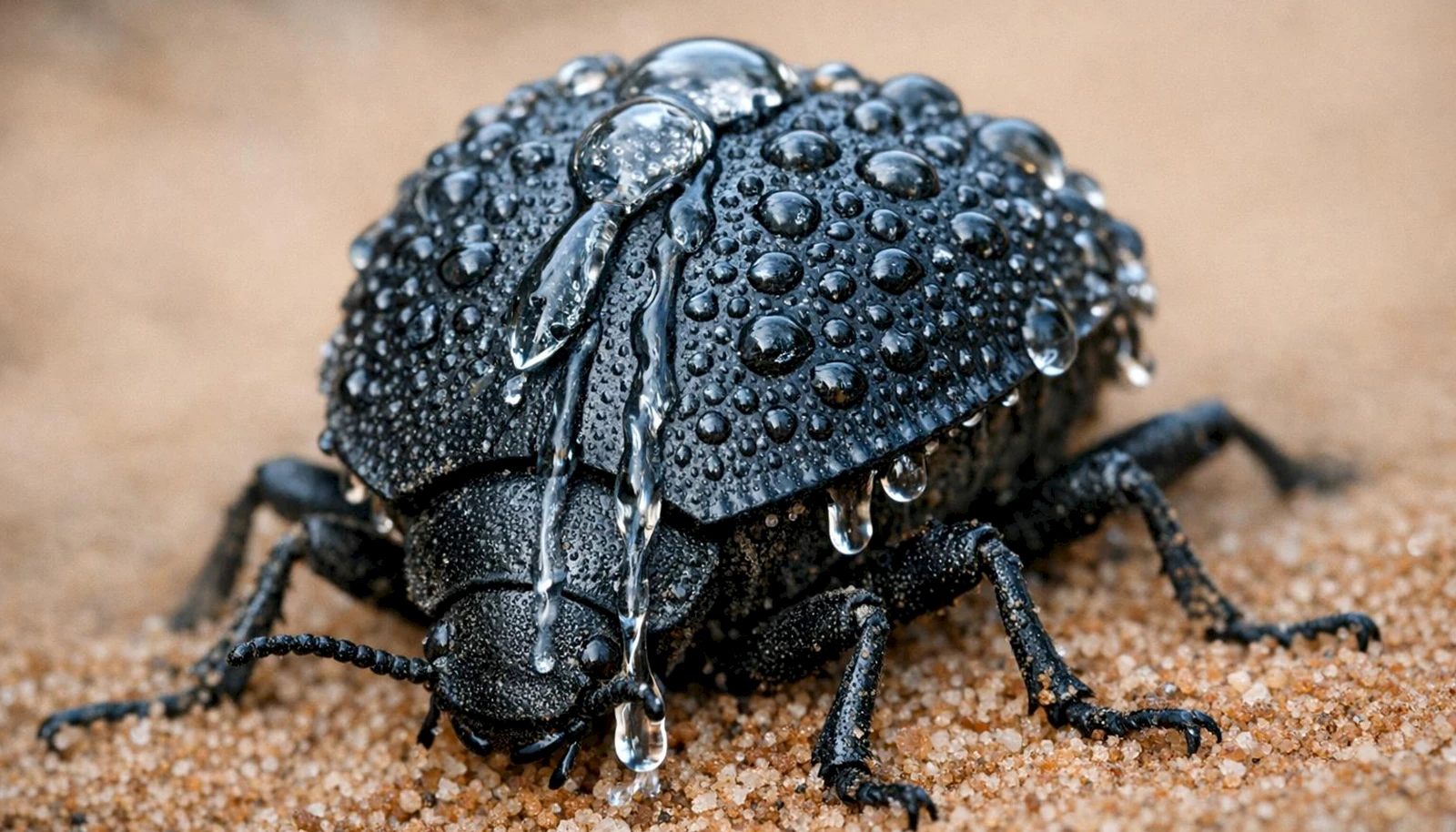
Every morning in the Namib Desert, as fog rolls in from the Atlantic, a beetle performs a ritual perfected over millions of years. It climbs atop a dune, tilts its body 45 degrees and waits. Minutes later, water droplets materialise on its back, swell with moisture, and roll down tiny channels straight into its mouth.
The trick is so elegant that Professor Harpreet Singh Grewal studied it and cracked its code. Now, working from his lab at Shiv Nadar University, he's figured it out—and the implications could be transformative for the two billion people living in water-stressed regions worldwide.
"The beetle has been doing this forever," Professor Grewal says. "We just needed to learn the language."
That language, it turns out, is written in contrasts. The beetle's back is covered with water-loving bumps surrounded by water-repelling valleys. Fog droplets stick to the peaks, merge, then slide down the slippery channels. Simple. Brilliant. And until now, maddeningly difficult to replicate.
Previous attempts required expensive lasers, toxic chemicals, or manufacturing processes too complex for real-world deployment. Professor Grewal's breakthrough? A rubber-like material, an alcohol flame, and precisely 60 seconds.
The process seems almost absurdly simple. Take Polydimethylsiloxane (PDMS), a flexible silicone rubber found in everything from medical devices to kitchen spatulas, and pass it through an ethanol flame. The heat creates microscopic wrinkles decorated with even tinier silica particles. The result is so slippery that a water droplet needs just two-millionths of a newton to move. That's the weight of a single grain of salt.
But slipperiness alone won't harvest fog. If every droplet bounces off then nothing collects. Professor Grewal needed the pattern: spots where water sticks, surrounded by areas where it slides. He achieved this through stamping. A process of pressing 3D-printed metal stamps coated with liquid PDMS onto heated surfaces. The liquid instantly cures, creating permanent patches.
Then came optimisation. Circles replaced squares, and triangles stars as they have a smaller perimeter. Two-millimetre patches proved ideal: small enough that droplets don't linger, yet large enough for efficient merging. A 50-50 split between water-attracting and water-repelling surfaces created the balance.
The numbers speak for themselves: 24 kilograms of water per square meter per hour from nothing but mist. That's 24 large water bottles filled from the air. If fog occurs just 100 days a year for a few hours each day, even a modest installation could produce thousands of litres annually.
Perhaps more remarkable than the performance is the durability. Grewal subjected his surfaces to punishment that would destroy most materials: twisted, bent, blasted with UV radiation, pummeled by simulated rain, abraded with sand, and shocked between -80°C and 300°C. He left samples outside for a year through Delhi's brutal monsoons, scorching heat, and hazardous pollution levels.
Performance barely changed.
The surfaces also demonstrated an unexpected talent: desalination. When tested with seawater vapour, they achieved 99.89% salt rejection—from 35,000 parts per million down to 38. The ultra-low adhesion that makes fog harvesting efficient also prevents salt crystallisation, which clogs conventional solar desalination systems.
What makes this breakthrough special isn't just technical brilliance—it's accessibility. No sophisticated equipment. No toxic chemicals. No specialised expertise required. The technology could be implemented locally in communities without the infrastructure for centralised water systems. After installation, water collection is essentially free. No pumps, no motors, no electricity.
As climate change destabilises water sources innovations like this become essential. They won't replace conventional water infrastructure, but they provide a supplemental supply and resilience precisely where it's needed most.
The humble Namib Desert beetle continues its daily ritual, oblivious to its starring role in addressing human water insecurity. Each morning, it climbs its dune, tilts into the wind, and drinks fog. Millions of years of evolution refined the technique. One researcher decoded it. And now, potentially, millions of people could benefit.
Sometimes the most elegant solutions have been right in front of us all along. We just needed to pay attention to a beetle.
More Blogs
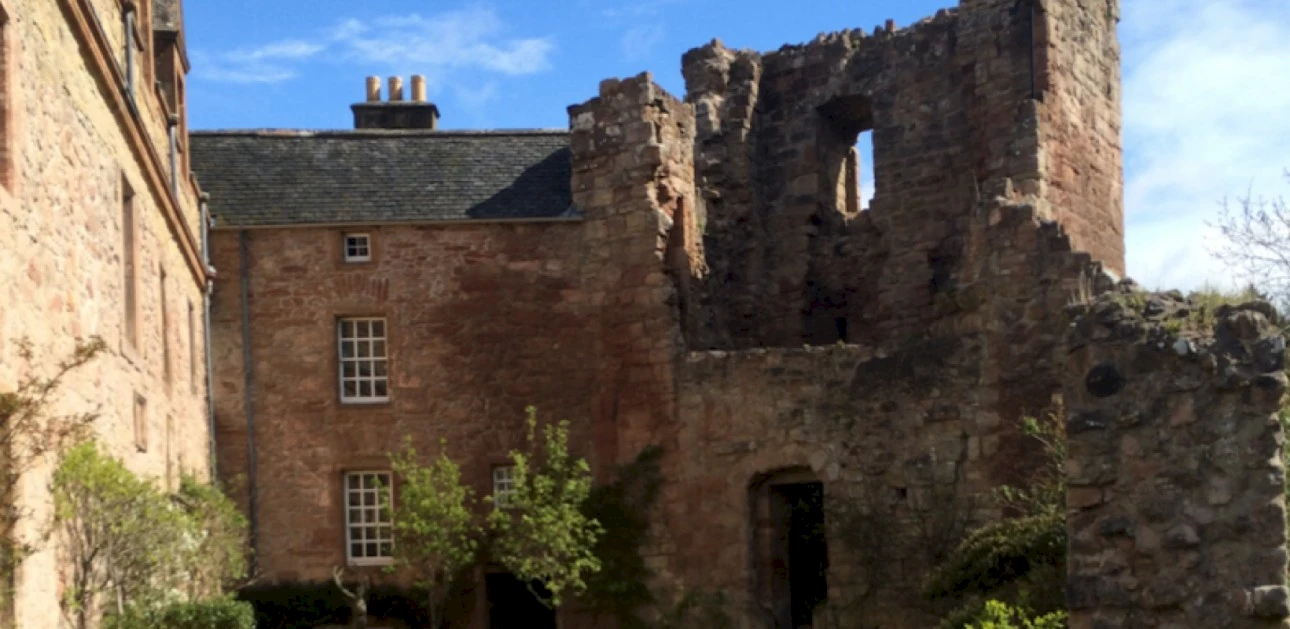
The Hawthornden Literary Retreat bestowed on Dr Sambudha Sen to complete the manuscript of a novel
Professor Sambudha Sen, Head of the Department of English at Shiv Nadar Institution of Eminence, Delhi-NCR, was awarded a residency at the...

The Power of the Moving Body
Movement is an innate bodily action that humans have been exhibiting for the longest time. Long before language was invented, the body was the...

How Does A Multi-Disciplinary Approach To Education Enhance Learning And Prepare Students For A Multi-Faceted World?
In today’s world, where businesses are changing almost every day, it is the responsibility of educational institutes to provide holistic...