Uncovering B.Des. Course Details: Mapping the Journey from Creative Curiosity to Design Leadership
Blog / October 10, 2025
B. Des. course detailsB.Des. Courses in IndiaDoes design still just mean sketching logos or drawing some sketches?
The answer is - No.
Design has become a highly relevant skill in modern days and has a key role in building intuitive apps, designing public spaces, streamlining user experiences, etc. It is not just limited to how things should look anymore, but has a primary say in how they work, how they feel, and who they serve.
Today’s design challenges are not surface-level. They sit deep in society, technology, and sustainability. This is exactly why the design studies have evolved from raw creativity to refined intent and from learning to look to learning to lead.
Now, the Bachelor of Design (B.Des.) course not just teaches you how to design but also covers why design matters: socially, ethically, and globally.
This blog covers B.Des. course details in a way that supports clarity, confidence, and informed choice for anyone seeking a career path into design. It is a map from your first spark of curiosity to the day you lead in the field of design solutions.
Let’s walk through the journey.
What a B.Des. Course Is Really Designed to Teach
The most important purpose of a B.Des. course isn’t just to teach tools. It’s to train minds that can solve real problems. You don’t learn design just to make posters. You learn it to improve systems, challenge norms, and build solutions that matter.
Here’s what makes this course relevant:
- Design isn’t just for designers anymore. Whether it’s improving a hospital service or reimagining rural education, design thinking is everywhere.
- It teaches you to shape ideas responsibly and make things that are ethical, sustainable, and human-focused
- The course foundation is broad; that means it does not just teach you to design, but also teaches you to understand the moral, historical, and social value of those designs.
Key values taught across top B.Des. courses in India include:
- Social impact
- Empathy
- Cross-disciplinary thinking and
- Innovation without exclusion
You’re trained to think like a systems builder to make things not just function, but function better for all.
From Fundamentals to Futures: An Overview of B.Des. Course Details
B.Des. is a four-year undergraduate course; each year takes you through a phase of becoming a designer, from learning to see the world differently to leading change.
Let’s walk through the full four-year structure of a standard B.Des. program.
The first year curriculum includes social science courses that cover applied principles of society, culture, psychology, and sustainability, along with foundational courses in Design.
The second year curriculum builds on basic courses in design and technology, such as applied electronics, software, and coding. It also has a collective design project.
The third year of the curriculum focuses on integrated courses such as design research, design management, and design using emerging technologies. It also involves individual/group design projects based on students' areas of interest.
The fourth yearis for choice-based streaming courses in the 7th semester and industry projects in the final semester.
Navigating Choice: Choosing Specialization in B.Des. Course
When you’ve built your design foundation, you face the next big question: Where do I go from here?
This is the phase where your B.Des. course lets you take control. Instead of pushing all students down one road, many B.Des. courses in India now offer streamed specialization. These are structured, choice-based paths that help you focus on what matches your skills and goals.
And no, these are not just random electives.
Each stream builds a specific design vocabulary and gives you tools, methods, and project experiences tied to a career direction.
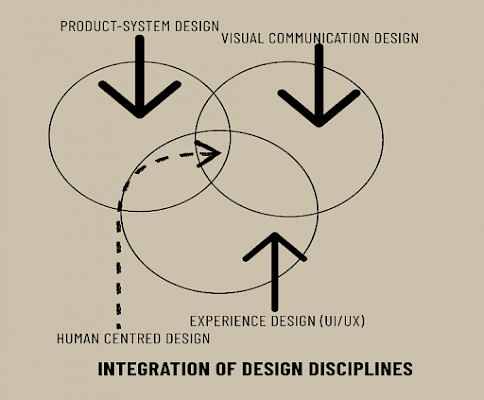
The top 3 specializations you can choose in this course are:
1. Experience Design (UI/UX)
If you have an interest in screens, systems, or interactions, this path is a good fit. You learn to design digital products, services, and platforms that people use every day.
What you’ll study:
- Interface and interaction design
- Augmented and virtual reality
- Internet of Things (IoT)
- Usability testing
- User journey mapping
Where it leads:
- UX designer
- Service designer
- Design researcher
- Digital strategist
2. Product-System Design
This stream links physical products with the systems they belong to. It works well for you if you think about how objects and infrastructure shape daily life.
What you’ll study:
- Smart product design
- Mobility design
- Sustainable materials
- Tangible interfaces
- Rapid prototyping
Where it leads:
- Industrial designer
- Sustainable product developer
- Smart systems designer
- Mobility consultant
3. Visual Communication Design
If you’re interested in how stories, brands, and media reach people, this is your stream. This path builds strong visual thinking, message design, and narrative skills.
What you’ll study:
- Branding and identity
- Packaging design
- Campaign and motion graphics
- Typography and animation
- Storytelling across formats
Where it leads:
- Communication designer
- Brand strategist
- Illustrator or animator
- Content visualizer
Beyond the Classroom: Designing Projects in the Real World
Design, after all, is not only about what happens in a studio. It’s about outcomes that improve lives. Here’s how top B.Des. courses in India connect students with society, industry, and emerging needs.
Studios & Labs
You get access to full-scale facilities that support prototyping, digital testing, and material exploration.
Common labs include:
- Product Modelling & Fabrication Studio
- Digital Design Studio
- Applied Electronics and IoT Lab
- Visual Design Studio
- 3D Printing Studio and
- Virtual Reality Lab
These help you bridge concept and reality quickly.
Industry Linkages
Your final year includes an industry design project, which gives you:
- Experience working with live briefs
- Direct client feedback
- Mentorship from working professionals and
- Internship and placement visibility
Why Choose Shiv Nadar University (Institution of Eminence) for a Future-Ready B.Des. Course in India?
Choosing a design degree is not about ticking boxes; it’s about choosing a space that sees your potential before you’ve even built your portfolio. A space that doesn’t just train your hand, but sharpens your thinking, guides your questions, and expands your sense of what design can do for the world.
That’s what Shiv Nadar University offers through its Bachelor in Design (B.Des.) program, a course built for the complexity of now and the demands of what comes next.
- Focus on Human-centred Design
- Future-Oriented Curriculum
- Integration of the 3D EXPERIENCE Platform from Dassault Systèmes
- Choice-based Streaming and Specialization Options
- Vibrant and Multidisciplinary Ecosystem
- Low Faculty-Student Ratio and
- Option to Continue into an Integrated B.Des.-M.Des Course.
Offered by the School of Humanities and Social Sciences at Shiv Nadar University, this degree program is rooted in transdisciplinary learning, merging the critical lens of the social sciences, the creative freedom of the arts, and the precision of technology and management.
Synopsis
A well-structured B.Des. course builds not just design skills but also shapes clarity, confidence, and creative leadership. It doesn’t just teach you tools; it builds your thinking, values, and voice. It helps you become a designer who makes a difference, whether you’re working with tech, people, systems, or society.
Whether your goal is UX, product systems, or communication, the B.Des. course details shared above offer a clear roadmap.
Admissions are open for the Bachelor in Design course at Shiv Nadar University. Gear up and apply now!
FAQs
What are the career options after B.Des.?
You can work as a:
- UX/UI designer
- Product designer
- Brand strategist
- Design researcher
- Visual storyteller
Who can apply for the B.Des. courses in India?
Anyone who has completed 10+2 with 60-70% aggregate marks from a recognised board can apply for B.Des. courses in India. Some universities may also require an entrance exam score for admission.
What is the average salary after completing B.Des. courses in India?
As a fresher, you can expect to earn three to six lakh rupees per year.