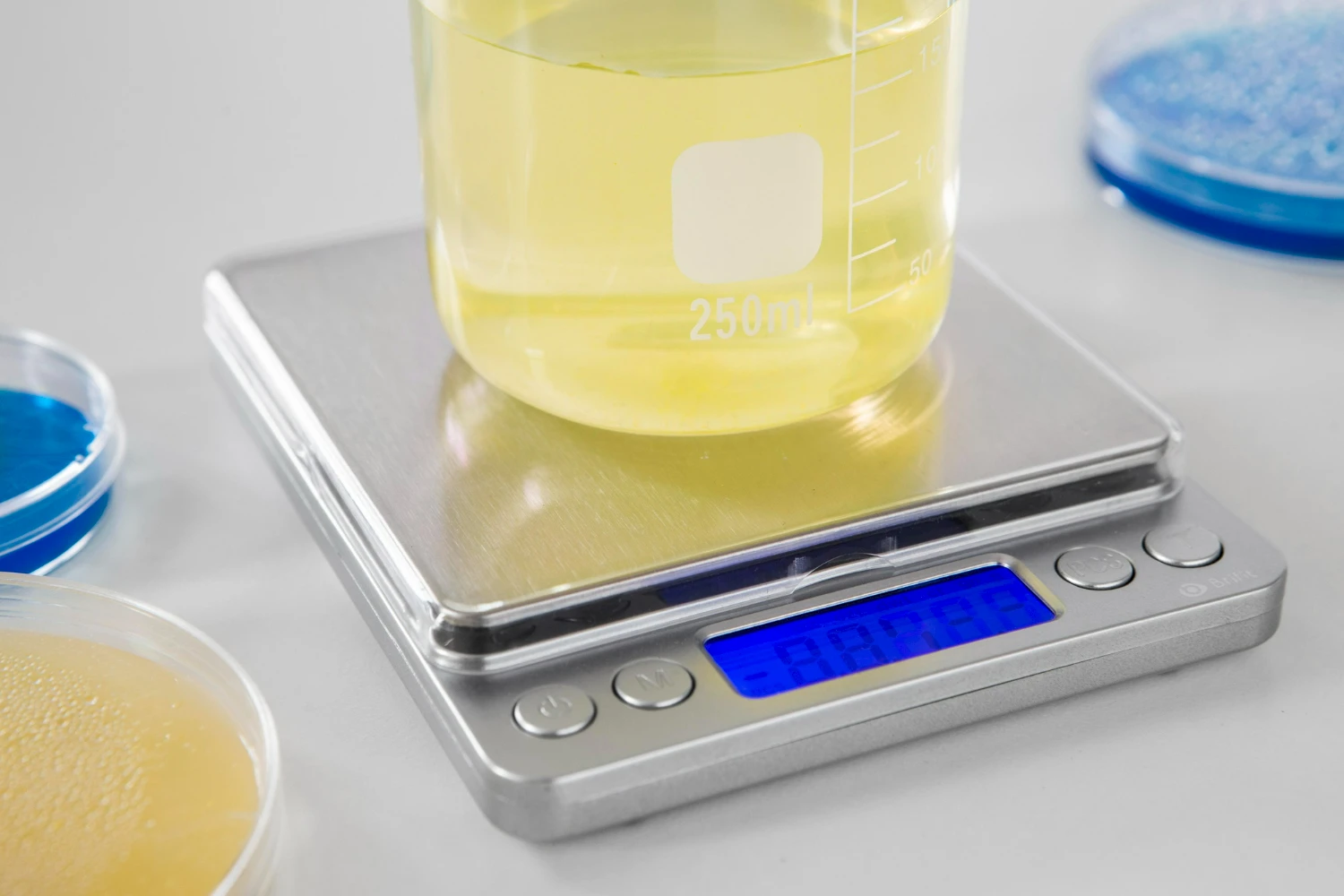
Environmental Engineering Laboratory
The Environmental Engineering Laboratory is fully equipped with relevant equipment and sensors for monitoring water and wastewater qualities including concentration levels of total dissolved/suspended solids, turbidity, hardness, alkalinity, acidity, chlorides, dissolved oxygen, biochemical oxygen demand, chemical oxygen demand, ammonia, nitrate, phosphate, and most probable numbers of bacteria.
Currently, the laboratory is maintained and operated to conduct experiments at the UG and PG levels. Research equipment with more advanced features will soon be installed.
List of equipment
UV Spectrophotometer
Digital pH Meter
Digital Conductivity Meter
TDS Meter
BOD Analyzer with Accessories
COD Digester: Closed Reflux Digester
Multiparameter (pH/ORP/EC/TDS/Salinity/DO)
Turbidity Meter
Hot Air Oven
Digital Analytical Balance
Hot Plate Stirrer
Muffle Furnace
Flame Photometer
Jar Test Apparatus
Transparent Plastic Imhoff Cone
Sampler Conventional Type
Water Purification System
Refrigerator
Biogas Analyzer
VOC Analyzer
Water Bath Shaker
Colony Counter
Membrane Filtration Assembly
Fume Hood
Ion Selective Multi Parameter
Orbital Incubator Shaker
Ongoing research projects by PG and Ph.D. students
Simultaneous removal of carbon, nitrogen, and phosphorus from landfill leachate using an aerobic granular reactor (AGR)
Summary:
Landfill leachate majorly consists of carbon, nitrogen, phosphate, metals, and other micropollutants, which poses a severe threat to the environment. In this project, an aerobic granular reactor (AGR) has been developed to treat landfill leachate collected from a landfill site. The AGR successfully removed carbon, nitrogen, and phosphorus simultaneously at higher organic loading. The co-treatment of leachate and wastewater has also been investigated using AGR to determine its stability.
Treatment of domestic sewage and leachate using a moving bed hybrid bioreactor (MBHBR)
Summary:
The treatment of domestic sewage using a moving bed hybrid bioreactor (MBHBR) has been investigated by varying the concentrations of chemical oxygen demand (COD), ammonia, phosphorus, and hydraulic retention times (HRTs). The stability of MBHBR has also been studied to understand its performance in shut-down and shock loading phases. The MBHBR has shown higher removal efficiencies for COD, ammonia, and phosphorus during the co-treatment of sewage and leachate. The metagenomics study has been performed to identify the predominant microorganism in MBHBR, which played a significant role in the treatments of sewage and leachate.
Location
C-017