
Himalayan Youth Series
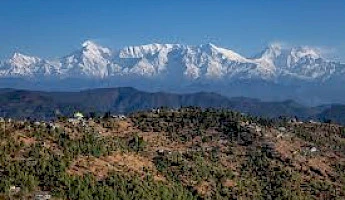
The Himalayan Youth Series is an innovative initiative by the Centre of Excellence for Himalayan Studies (CHS) that seeks to create a platform for young voices from across the Himalayan region. This series brings together contributions from local youth, featuring articles, narratives, research pieces, poems, and reflections that engage with a wide range of social, cultural, environmental, and developmental issues.
Monasteries and Nunneries
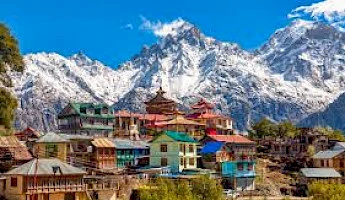
The Monasteries and Nunneries project aims to study and document the spiritual, cultural, and architectural heritage of monastic institutions across the Himalayan region. The project explores their historical significance, religious traditions, community roles, and evolving practices. By conducting field research, photographic documentation, and scholarly analysis, the project helps preserve knowledge about these important centers of learning, spirituality, and cultural continuity.

Audio Visual Archive
The Audio Visual Archive project focuses on documenting and preserving the rich cultural, historical, and social heritage of the Himalayan region through audio and visual media. It includes recordings of oral histories, traditional practices, local festivals, music, rituals, and interviews with community members and scholars. The archive serves as an important digital repository that supports research, education, and public engagement while ensuring that valuable cultural knowledge of the Himalayas is preserved for future generations.